
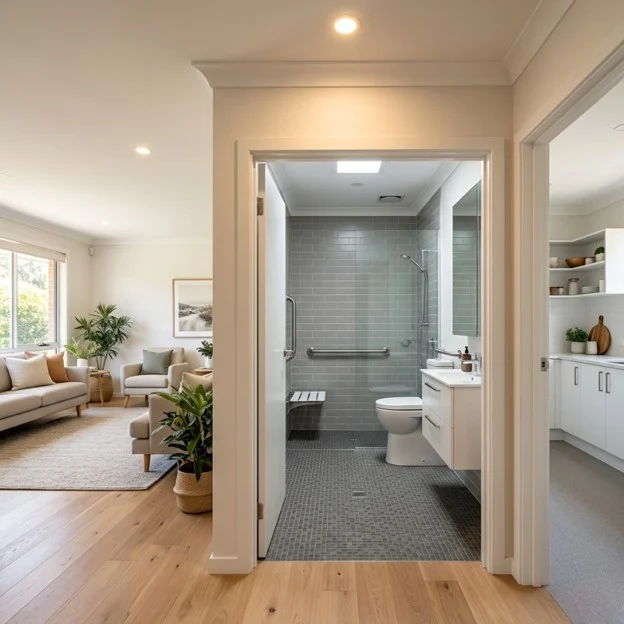
The idea of staying in your own home as you get older appeals to a lot of folks in Sydney. But, it’s not always as simple as it sounds. Those familiar spaces? They can suddenly seem dangerous, like an old rug or a cupboard shelf that’s just out of reach, when your balance or eyesight starts to change. Luckily, you don’t need to tear the place apart to fix these issues. This guide will help you figure out where the real trouble spots are, what changes can make the biggest difference, and when it’s time to bring in a pro. We’ll also touch on local rules, the NSW climate, and resources that can make life a bit easier.
If it gets to a point where safety upgrades aren’t cutting it, Sydney families might want to consider flexible in-home aged care support. It’s an option that adds extra help without the hassle of moving into a care facility.
Why Home Safety Matters When Ageing in Place
Let’s face it, most falls and injuries among older Australians happen at home. One in three people over 65 in NSW falls at least once a year, according to NSW Health. And guess what? Many of these falls could be stopped in their tracks. A solid safety plan can:
- Keep hospital visits and long recovery times at bay
- Boost confidence, making hobbies and social get-togethers easier
- Delay or skip the need to move permanently
- Give peace of mind to family members, even those who live far away
Sydney’s homes have their quirks. From narrow hallways and raised thresholds in older homes to small bathrooms in new apartments, each has its challenges. Knowing these local oddities helps you focus changes where they’ll count the most.
Getting Started: Assessing Your Home’s Current Risks
Before grabbing safety gadgets or moving the couch, take a walk through your home. Good lighting, safe shoes, and a notepad are your friends here. Look for items that make you stretch or bend too much, or surfaces that seem uneven or poorly lit. If you can, involve the person living there, they’ll notice things you might not.
Here’s a quick breakdown of common hazards and easy fixes:
| Situation | Main Risk | Quick DIY Fix | When to Seek Professional Help |
| Loose rugs in high-traffic areas | Trips and falls | Remove or secure with non-slip backing | If flooring underneath is uneven or damaged |
| Dim lighting in hallways | Missed steps, loss of balance | Install brighter bulbs, add motion-sensor night lights | Rewiring older fittings, adding additional power points |
| High kitchen cupboards | Over-reaching or using unstable stools | Bring everyday items to mid-shelf height, use reacher tools | Cabinet lowering, installing pull-down shelf mechanisms |
| Slippery bathroom tiles | Falls on wet surfaces | Place rubber mats, keep floors dry | Re-tiling with non-slip surfaces, installing level-entry shower |
| Outdoor paths with cracks | Trips plus water pooling in heavy rain | Temporary ramp mats, mark edges with bright tape | Path resurfacing, adding handrails, correcting drainage |
This structured checklist helps you avoid random gadget buys that won’t solve the core issue.
Kitchen: Where Good Meals and Safety Meet
The kitchen is a mix of sharp things, hot spots, and sometimes way too many crowded counters. And it’s a fire risk too, unattended cooking is a biggie for older folks, says NSW Fire and Rescue.
Key Risk Zones and Practical Upgrades
- Benchtop Height and Reachability
- Keep things you use a lot, like kettles and mugs, between hip and shoulder height.
- Pull-out boards or shelves can bring things closer.
- Cooktop and Oven Safety
- Induction cooktops cool fast and cut off automatically if no pot is detected.
- If a new cooktop isn’t in the cards, try stove-knob guards or colorful reminder dots for “off” positions.
- Good Lighting Over Work Areas
- Swap ceiling bulbs for LED strip lighting under cabinets.
- Go for warm-white LEDs, they cut glare but still make labels and knives easy to see.
- Non-Slip Flooring
- Use washable rubber-backed mats by the sink and cooktop.
- Renters, check with the landlord before making any big fixes.
- Smart Gadgets
- A talking timer or smart speaker can be a lifesaver if someone might forget the pot on the stove.
Sydney tip: Those tight inner-city apartment kitchens? A fold-down wall table can add surface space without crowding the room.
Bathroom: Small Room, High Risk
Bathrooms can be a slippery mess with water and awkward reaching positions. Those long, humid Aussie summers make it worse.
Priority Fixes
- Level-Entry Shower
- Remove that awkward step to make a smooth floor.
- Go for slip-resistant floor tiles, R10 or higher if you can.
- Grab Rails, Not Towel Rails
- Install stainless-steel grab rails by the shower entrance, in the shower, and next to the toilet.
- Make sure they’re secured to the studs, not just drywall.
- Raised Toilet Seats
- A clip-on raised seat makes it easier to sit and stand.
- Check the bathroom door can still close with the new seat.
- Temperature-Controlled Mixers
- Set hot water below 50°C, no one likes a scalding surprise.
- A licensed plumber can do this for you.
- Good Ventilation
- Steam-removing fans lower mold and make rooms safer to breathe in and walk through.
Sydney tip: In narrow terrace home bathrooms, swap inward-swinging doors for sliding ones, that’ll give you more wiggle room.
Bedroom: Rest, Recovery and Night-Time Safety
Trips to the bathroom and not enough light make falls more likely at night.
Practical Adjustments
- Bed Height – Aim for knee-height so feet can easily touch the ground. Bed-risers can help or removing a thick mattress topper might be the way to go.
- Motion-Sensor Night Lights – Use them along the path to the bathroom. Battery models save you from electrician bills.
- Clear Pathways – Secure cords and oxygen tubing if needed.
- Phone Within Reach – A wall holder near the bed means easy access in an emergency.
- Sturdy Bedside Table – Choose one with rounded corners and prevent tipping with brackets.
Sydney tip: Those old polished timber floors in terrace and federation homes? Socks can make them slippery, low-pile rugs with non-slip backing help.
Living Room and Common Areas
The living room needs to switch between family fun and quiet time. All without becoming a clutter trap.
- Furniture Layout
- Keep walkways at least 900 mm wide for walkers or frames.
- Glass coffee tables? Ditch them, try rounded wood or padded ottomans.
- Electrical Safety
- Use a single surge-protected power board instead of multiple double-adaptors.
- Tidy cables into trunking glued along skirting boards.
- Trip-Proof Floor Coverings
- Low-pile rugs with rubber backing are safer.
- Tuck rug edges under furniture legs to stop them from curling.
- Seating Support
- Chairs with armrests make getting up easier.
- High-back recliners with firm cushions prevent people from sinking too far.
Explore more on keeping your home hazard-free with Montessori Care’s guide on staying independent at home as you age.
Hallways, Stairs and Entrances
Rainy days can make entrances slick. Sydney’s summer storms don’t help.
Stair Safety Must-Dos
- Handrails on Both Sides – Make sure they run beyond the top and bottom steps for a better grip.
- Visual Edge Markers – Use non-slip strips on each stair’s edge to assist depth perception.
- Good Lighting – LED strip lights under stair noses are great for nighttime.
- Stair Lifts – If steps are too tiring, a motorised lift might be worth the investment. Apartments may require strata approval, though.
Entrance and Hallway Upgrades
- Level Thresholds – Ramps at doorways prevent trips.
- Weatherproof Non-Slip Mats – Rubber-based options work best and can be secured to prevent sliding.
- Keyless Entry – A pin-pad or smart lock makes keys obsolete.
Local note: Some older Sydney sandstone cottages have uneven paths. You might need council approval before any major work, but temporary rubber ramps usually don’t require it.
Outdoor Spaces and Gardens
Being outside and gardening can really lift spirits, but uneven ground, hoses, and loose tools pose hazards.
- Smooth Pathways – Even out pavers and make sure they’re well lit. Solar stake lights can help with that.
- Raised Garden Beds – Less bending, great for herbs and veggies.
- Hose Reels and Tool Storage – Wall-mounted reels and an outdoor cupboard keep things neat and dry.
- Sturdy Handrails on Steps – Galvanized steel handrails last longer against coastal corrosion.
- Non-Slip Decking – Grip strips on timber decking help with algae.
Technology Tools That Add an Extra Layer of Safety
Modern tech can be a real game-changer, especially for families living far apart or frequent travelers:
- Smart Doorbells – Two-way conversation allows caregivers to check-in post-delivery.
- Fall-Detection Wearables – Some models alert nominated contacts automatically.
- Voice-Activated Assistants – “Hey Google, turn on the hallway lights” means no reach needed for switches.
- Automated Medication Dispensers – Locking systems release doses at set times, complete with alerts.
You can get some help with costs from the government. The My Aged Care home modifications guidelines can show you assistive technologies that might get subsidized under a home-care package.
When to Call in Professional Help
Some upgrades, like fitting anti-slip mats, are easy weekend projects. But sometimes, you need a little more expertise:
- If you’re seeing persistent changes, like needing an indoor walker
- Cognitive declines affecting reminders and hazard awareness
- Complex layouts with multiple levels or narrow areas
- Plumbing, electrical, or structural changes that need licenses
- Any changes governed by strata or council rules
Occupational therapists can do a detailed safety audit and tailor their advice to the person involved. Their reports can also help unlock government subsidies under My Aged Care or the Commonwealth Home Support Programme.
Common Mistakes to Avoid
- Skimping on Lighting – It’s just as important as grab rails.
- Bad Rail Installations – Poorly secured rails can pull loose, causing falls.
- Ignoring Outdoor Hazards – Paths and steps can be as dangerous as anything inside.
- Thick, Plush Rugs – Comfy, but they trip people up easily.
- Waiting Too Long – Small hazards can grow into big problems. Early action saves money and maintains confidence.
Frequently Asked Questions
1. How do I know which safety upgrades to prioritize first?
Start with areas involving water, heat, or steps: bathrooms, kitchens, and staircases. Then tackle loose flooring or dim lighting, since these are common reasons for hospital visits in NSW. A room-by-room checklist ensures spending goes toward the most impactful changes.
2. Can I get government funding for home safety modifications?
Yep. Eligible seniors can get help from My Aged Care for things like grab rails, ramps, or bathroom updates. Usually, you’ll need an occupational therapist’s assessment and quotes from qualified trades for approval.
3. Are DIY grab-rail kits safe?
They can be if installed correctly into wall studs, but mistakes happen. If you’re unsure, hire a licensed handyman or builder. It’s cheaper than a fall.
4. What if my parent rents their home?
Tenants can request safety changes, too. Just share your plan with the landlord and ask for written consent. Many are open to it, especially if the changes add long-term value, like non-slip flooring or updated bathrooms.
5. How often should a home safety review be repeated?
Do it at least once a year or after a significant health event, like surgery. Changes in mobility, eyesight, or cognition may call for new adjustments, even if last year’s setup felt perfect.
A Gentle Next Step
Creating a safer home doesn’t happen overnight. Take it slow, one room at a time, and celebrate the wins along the way. If you find that life’s still a struggle despite your efforts, you don’t necessarily have to move. Flexible in-home support services can fill the gaps, allowing Sydney seniors to live comfortably where they feel most at home.