
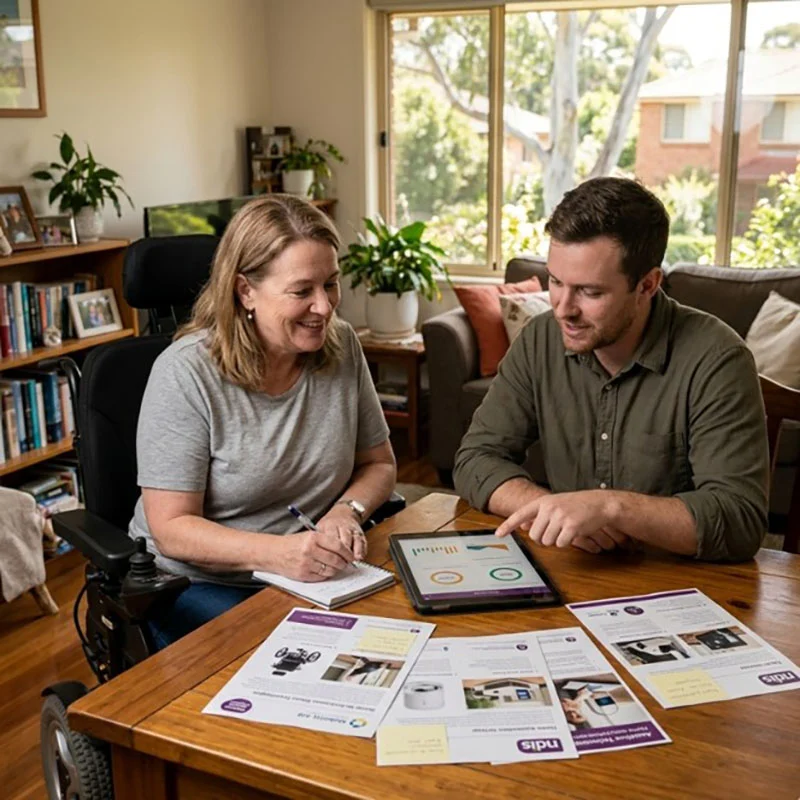
Ever looked at your NDIS plan and wondered why some stuff gets funded but other things don’t? You’re not the only one. That whole “reasonable and necessary” thing pops up everywhere in NDIS lingo, but it still feels a bit foggy when you’re trying to link what’s on paper with what you actually need in life. Here, we’re breaking it down, showing how the NDIA looks at it, and giving some real-life examples that often get the green light in Sydney. Whether you’re gearing up for your first plan meeting or just checking in, what follows might help you chat with your planner, dig up better proof, and make the most of an experienced NDIS provider in Sydney when you need.
So, What Does “Reasonable and Necessary” Mean?
“Reasonable and necessary” is basically the measuring stick the NDIA uses to figure out if something should be funded. In simple terms, a support has to be:
- Directly linked to your disability needs
- Good bang for your buck
- Something the NDIS should cover (not some other system)
- Tied to your goals and independence in the long run
They’ll check each ask against six criteria from the NDIS Act. Knowing these rules,and what evidence backs them up,can change a frustrating “no” into a solid “yes”.
The Daily Life Impact
- Understanding helps you skip hours on quotes that just won’t pass.
• You can tailor reports from therapists to nail the specifics planners look for.
• When your goals and supports align, the NDIA is more likely to nod along and say it’s a sustainable match.
The Six Criteria Simplified
Check out how planners weigh each criterion and what you can do to make a stronger case:
| Situation | What the NDIA Looks For | Participant Tip |
| Helps you pursue goals | Ties into at least one stated goal | Use your goal’s wording in the request |
| Aids social & economic life | Shows it helps work, study, or socialise | Add examples (like volunteer hours) |
| Is value for money | Costs make sense compared to other options | Provide two quotes if you can |
| Effective & beneficial | Clinical proof it works for your needs | Include therapist reports or trial data |
| Considers informal supports | Shows what family/friends do & why extra help’s needed | Document informal help and its limits |
| Not easily funded elsewhere | Doesn’t belong to health, education, or other services | Cite other systems’ responsibilities |
They need to check all six boxes before funding anything. Miss one, and even a great item can get bounced.
Everyday Examples That Typically Match the Criteria
Here are some supports Sydney participants usually claim. Everyone’s situation and evidence differ, but these might kickstart a chat with your planner or support coordinator:
1. Personal Care Tools
Stuff like shower chairs or long-handled sponges can tie neatly into personal care goals. They help ease carer strain and normally cost less than hiring ongoing support.
2. Small Home Changes
Stuff like grab rails in the bathroom or a ramp at the front can be value-for-money fixes that boost safety and independence.
3. Meal Prep Help
Getting a support worker to cook up healthy meals might be seen as necessary if cooking’s tough due to disability and there are nutritional risks.
4. Transport Training
Sessions that teach bus routes or how to use Opal cards can improve social options and future work chances, reducing the need for taxis long-term.
5. Tech Apps
Voice-to-text or communication apps, if they’re below the low-risk AT threshold, get approved quickly when a pro says they’re beneficial
Supports That Often Get Turned Down, And Why
Save time by knowing what usually doesn’t fly.
- Everyday Life Costs – Stuff like groceries, rent, or utility bills are normal living expenses.
• Lifestyle Extras – Gym memberships, general smartwatches, or pet therapy without clinical backing are often “nice to have”, not necessary.
• Health-System Items – Things like surgery or medication are covered by NSW Health.
• Education-System Parts – Stuff like classroom aides or school kit are for the Department of Education.
By seeing these boundaries, you can make stronger requests for what truly falls under the NDIS.
Proving Your Case: Tips for Your Planning Meeting
The best applications mix real-life stories with professional reports.
- Echo Your Goals – Mirror your goals’ words in therapist notes.
- Focus on Function – Explain how it boosts safety, independence, or participation, not just comfort.
- Show Trial Results – A short equipment trial showing results can prove it works.
- Do a Cost Comparison – Use alternative quotes to show value for money when it fits.
- Log Informal Support Limits – Detail family work hours, carer fatigue, or distance to highlight real gaps.
Check out the official NDIS criteria page for evidence planners, like, use it when gathering documents.
Balancing Formal and Informal Supports
Sydney families juggle a lot: school runs, commutes, and careers. So, informal support can vary. By keeping a record of what help’s provided now and how family situations might change (like mom going back to full-time work), you paint a real picture for planners and lower the chance of not getting enough essential supports.
Even if informal networks are solid, small assists like tech or short bursts of support work can prevent burnout and help long-term independence.
For more on how helpers fit into daily routines, check our guide to daily living support under the NDIS.
Pitfalls to Avoid When Asking for Supports
- Copy-Pasting Generic Lists – Planners want links to your goals.
- Ignoring Outcome Details – Add “before and after” info (like falls each month).
- Skipping Value for Money – High-priced items without comparisons make planners pause.
- Assuming Unlimited Informal Help – Honestly note carer limits.
- Leaving Out Future Aims – Supports should prep you for what’s next, not just handle today’s issue.
Frequently Asked Questions
1. Does the NDIA ever bend the six criteria rules?
Sometimes, but rarely. Time-limited or trial supports might be approved if there’s strong proof of long-term benefits or risk reduction. You’d need pretty solid professional reports for that.
2. How quick is getting a “reasonable and necessary” item be approved?
Low-cost tech might only take days, but bigger changes like home mods or pricey gear can take months thanks to quotes, checks, and NDIA reviews.
3. What if my support request gets declined? Can I fight it?
Yep, you can ask for an internal review within 3 months. If that doesn’t work out, you can take it to the Administrative Appeals Tribunal. Just make sure to provide new or clearer proof for the criterion that got missed.
4. Do I need a support coordinator to wrap my head around this stuff?
Not necessarily, but lots of folks find it helpful, particularly for tricky requests. A coordinator can help translate clinical language into plan jargon and sort out quotes.
5. Will my “reasonable and necessary” supports change over time?
Definitely. As your goals, skills, or life situation evolve, the kind of support you get might shift too. Be sure to look over goals and proof before every plan meeting to keep things aligned.
Final Thoughts
The “reasonable and necessary” test shouldn’t be mysterious, though it can feel intimidating until you see how planners apply it daily. By linking each request to your goals, showing clear functional advantages, and backing it all with solid proof, you make it easier for the NDIA to say yes. And if you’re still unsure or if your needs shift, getting some professional advice can be a good next step toward living your best life.