
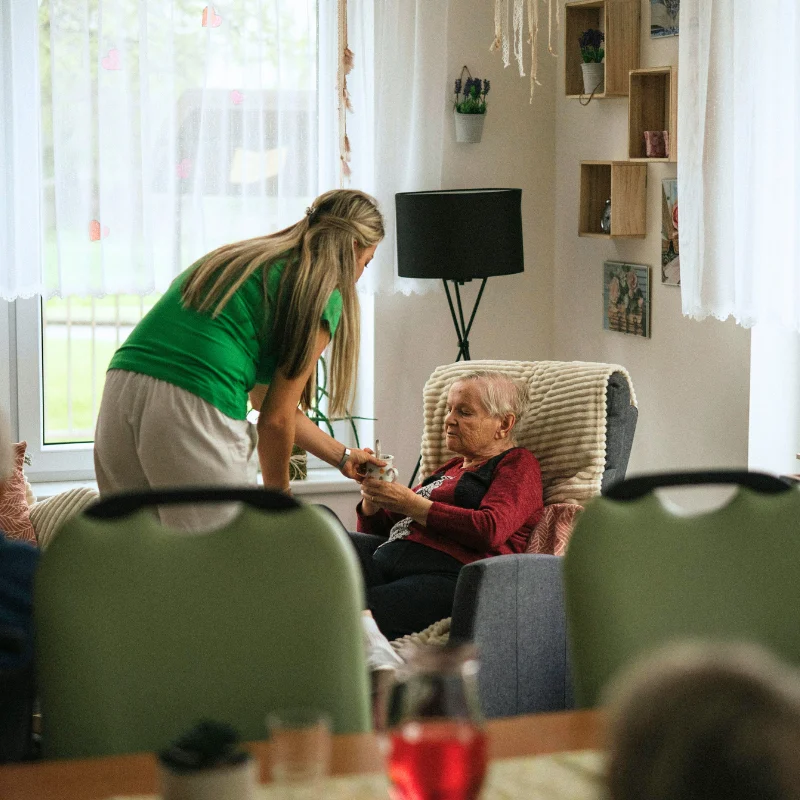
Arranging in-home aged care is often more complicated than families expect. Many people begin the process wanting to help an ageing parent or loved one stay safely at home, only to find themselves navigating assessments, funding, provider options and care decisions at the same time.
While Australia’s aged care system offers valuable support, understanding how it works and choosing the right provider can feel overwhelming, particularly when families are already managing health concerns or caring responsibilities. Research and complaints data also show that communication, understanding fees and coordinating services are common challenges for people receiving care at home.
Why Is Arranging In-Home Aged Care So Challenging?
There is rarely one single reason. Most families face a combination of practical, emotional and administrative challenges.
Understanding the Aged Care System
For many people, this is their first experience with aged care. Families often need to understand eligibility, assessments, funding options, service agreements and different types of support, all while making important decisions for someone they care about.
Learning how these pieces fit together can take time, especially when support is needed quickly.
Choosing the Right Provider
Not every in-home aged care provider delivers services in the same way. Some providers focus on basic assistance, while others offer more comprehensive support including nursing, dementia care, allied health and personalised care planning.
Comparing providers can feel difficult when families are unsure what questions to ask or what quality care should look like. If you’re currently comparing providers, our guide How to Choose In-Home Aged Care in Australia explains what to look for and the questions that can help you make an informed decision.
Balancing Safety and Independence
Many older Australians want to remain independent for as long as possible. Families often find themselves trying to balance respecting their loved one’s wishes while ensuring they receive enough support to stay safe at home.
Finding that balance can be one of the most emotional parts of the decision-making process.
Coordinating Multiple Services
As care needs increase, support may involve personal care, domestic assistance, nursing services, allied health, transport and social support.
Managing appointments, schedules and communication between different services can become challenging without a coordinated approach. A provider that offers personalised care planning and strong care coordination can help reduce this burden.
Understanding Costs and Funding
Government funded aged care is available to many older Australians, but understanding funding, service agreements and fees can still be confusing.
Many families are unsure what services are included, what additional costs may apply and how funding can be used.
The Aged Care Quality and Safety Commission reports that communication and fees are among the most common concerns raised by people receiving home care services.
Finding Consistent Support
Consistency is important, especially for older people living with dementia or complex care needs. Seeing familiar carers helps build trust, supports communication and creates a greater sense of comfort.
Families often look for providers that can offer consistent support workers rather than frequent changes in carers.
How Can Families Make the Process Easier?
Although arranging care can feel overwhelming, a few simple steps can make the process more manageable.
- Start planning before care becomes urgent where possible.
- Learn about available funding and support options.
- Compare providers rather than choosing the first available service.
- Ask how care plans are developed and reviewed.
- Find out whether consistent support workers can be provided.
Choose a provider that takes the time to understand your loved one’s individual needs and preferences. Taking the time to ask questions early can help families feel more confident in their decision.
Why Personalised Care Matters
Every older person has different routines, preferences and goals. A personalised approach means care is designed around the individual rather than using the same plan for everyone.
This can help older Australians maintain independence, continue participating in daily activities and enjoy a better quality of life while remaining at home.
To learn more about the benefits of personalised support, read our guide 7 Benefits of Personalised In-Home Care for Older Australians, which explains how individualised care can improve wellbeing, confidence and independence.
How Montessori Care Supports Families
Montessori Care understands that arranging aged care is about more than organising services. It is about helping families feel supported throughout the journey.
Using a person-centred approach, Montessori Care develops tailored care plans based on each person’s needs, preferences and goals.
Services may include:
- Personal care
- Domestic assistance
- Nursing care
- Dementia support
- Community participation
- Transport assistance
- Respite care
- Allied health services
By coordinating services through one experienced team, Montessori Care helps reduce complexity while providing compassionate, consistent support that allows older Australians to continue living safely and comfortably at home.
Frequently Asked Questions
Why do families find aged care confusing?
Many families are arranging aged care for the first time. Understanding assessments, funding, providers and available services can take time, particularly during stressful situations.
How can I choose the right in-home aged care provider?
Look for a provider that offers personalised care, experienced staff, clear communication, consistent support workers and services that can adapt as care needs change.
Can in-home aged care help people stay independent?
Yes. The right support allows many older Australians to continue living safely in their own homes while maintaining their routines, relationships and independence.
Does Montessori Care provide personalised in-home aged care?
Yes. Montessori Care provides person-centred in-home aged care tailored to each individual’s needs, preferences and goals, helping older Australians live safely and independently at home.