
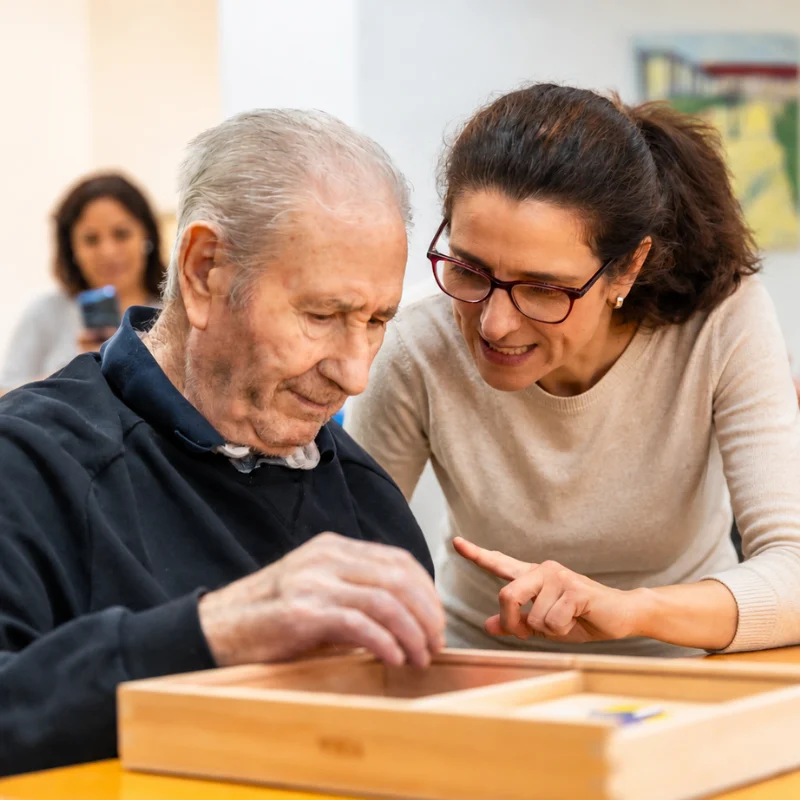
When families ask, “What is the best in-home care for dementia in Australia?”, there is not one single answer that works for everyone. The best in-home dementia care usually combines consistent carers, dementia-trained staff, personal care support, medication assistance, home safety measures, companionship and respite services. The right care depends on the person’s needs, stage of dementia and level of support required.
For many Australians, personalised care that adapts as needs change can help individuals remain comfortable, safe and independent at home for longer.
What Makes In-Home Dementia Care Effective?
Effective dementia care involves more than helping with everyday tasks. It also focuses on preserving routines, supporting wellbeing and creating an environment where a person feels safe and familiar.
Quality in-home dementia care often includes:
- Personal care assistance
- Medication support
- Meal preparation
- Nursing support
- Companionship and social engagement
- Transport assistance
- Home safety modifications
- Allied health support
- Respite care for family carers
Consistency is particularly important for people living with dementia. Familiar routines and regular carers can help reduce confusion and provide reassurance.
What Support Services Are Available for People Living With Dementia?
The level of support required can vary depending on the stage of dementia and a person’s circumstances.
Support services may include:
- Assistance with bathing and personal hygiene
- Help with mobility and movement around the home
- Medication reminders and monitoring
- Occupational therapy support
- Social and community participation
- Household assistance
- Short-term respite support
Many families find that combining practical support with emotional and social support creates a more balanced care experience.
Why Do Familiar Carers Matter?
People living with dementia often benefit from routine and consistency. Frequent changes in support workers can sometimes increase confusion or anxiety.
Having regular carers can help:
Build trust and comfort
- Maintain consistent routines
- Improve communication
- Reduce stress
- Support emotional wellbeing
Relationships become an important part of quality care, particularly as dementia progresses.
How Montessori Care Supports People Living With Dementia
At Montessori Care, we believe dementia care should be centred around the individual rather than focusing only on tasks or clinical needs.
Our personalised approach aims to support independence, familiarity and meaningful engagement. We understand that every person’s experience with dementia is different, which is why care plans are designed around individual preferences, routines and goals.
Through personalised support, companionship and consistent care, Montessori Care helps individuals continue living comfortably in familiar surroundings while maintaining dignity and quality of life.
Frequently Asked Questions
Can people with dementia continue living at home?
Yes. Many Australians living with dementia can continue living safely at home with appropriate support, home safety measures and regular care services.
What type of support may someone with dementia need?
Support may include personal care, medication assistance, companionship, household help, nursing services, transport and respite care.
Why is consistency important in dementia care?
Consistent carers and routines can reduce confusion, provide reassurance and create a more comfortable environment for individuals living with dementia.
When should families consider increasing support?
Families may consider additional support if daily tasks become difficult, safety concerns increase or a person’s needs change over time.
Ready to Learn More?
If you are looking for personalised in-home dementia care for yourself or a loved one, Montessori Care is here to help.
Contact Montessori Care today to learn more about our dementia support services and how we can help create a supportive and comfortable care experience at home.