
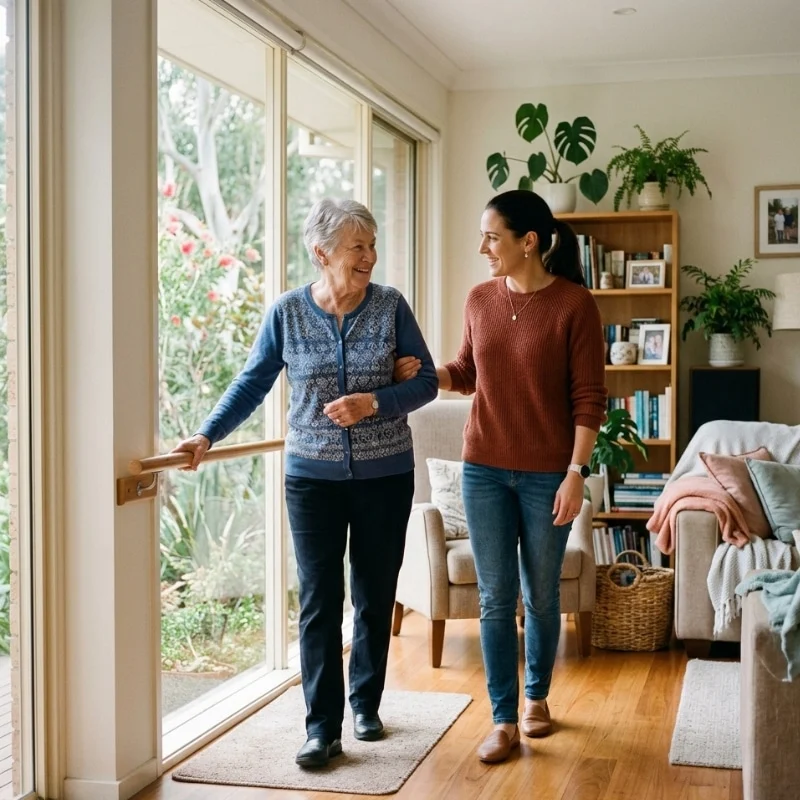
Staying at home can be a wonderful, familiar option for many older Australians. But needs can change quietly. What looks like “just ageing” can sometimes be the early edge of a bigger safety, health, or independence issue, where nursing care may become part of the support needed.
The goal isn’t to take control away. It’s to spot changes early and respond in a way that protects dignity, reduces risk, and keeps daily life working smoothly.
First, what “more support at home” can mean
“Support” can range from simple practical help to more structured health-related assistance. In real life, it often starts with small gaps such as meals, transport, or staying on top of medication and grows if there are falls, repeated infections, wounds, confusion, or rapid decline after a hospital stay.
If you’re in Sydney and you’re weighing up what help could look like, it can be useful to understand what’s available locally, including in-home nursing care in Sydney when health needs become more complex.
12 early signs an older person may need more support at home
1) Personal hygiene slips (and it’s not just “forgetfulness”)
Look for:
• Wearing the same clothes repeatedly
• Strong body odour, dirty hair, or long gaps between showers
• Unwashed bedding, towels, or a home that’s not being maintained
Why it matters: hygiene changes can signal mobility limitations, pain, low mood, cognitive changes, or fear of falling in the bathroom.
Respond early:
• Make the bathroom safer (non-slip mat, shower chair, grab rails where appropriate)
• Reduce barriers (lay out clean clothes, simplify the routine)
• If you suspect pain, dizziness, or fear of falling, consider a GP review
2) Meals become irregular or “too hard”
Look for:
• Empty fridge, expired food, or mainly biscuits/toast
• Weight loss, dehydration, or low energy
• Burnt pots, leaving the stove on, or avoiding cooking altogether
Why it matters: Nutrition affects strength, immunity, wound healing, balance, and cognition.
Respond early:
• Set up simple, repeatable options (easy protein, pre-cut fruit, soups)
• Add prompts (a visible weekly meal plan)
• If weight loss is noticeable, involve a GP and consider a dietitian referral
3) Medication mistakes start showing up
Look for:
• Missed doses, doubling up, or confusion about what’s been taken
• Scripts running out unexpectedly
• Taking the wrong medication at the wrong time
Why it matters: medication errors can cause falls, delirium, blood pressure swings, uncontrolled pain, and hospital admissions.
Respond early:
• Use a dose administration aid (blister pack) through the local pharmacy
• Put a simple system in place (one location, one routine, one reminder method)
• If confusion is new or sudden, seek medical review promptly
4) Increased falls, stumbles, or “near misses”
Look for:
• New bruises, unexplained soreness, or repeated “I just tripped” stories
• Furniture-walking, holding walls, or refusing to go out
• Fearful behaviour around stairs or bathrooms
Why it matters: falls can trigger a sudden loss of confidence, rapid deconditioning, and a cascade into greater dependence.
Respond early:
• Clear trip hazards (loose rugs, clutter, trailing cords)
• Improve lighting (especially hallway-to-toilet at night)
• Ask the GP about a physio referral for balance/strength support
5) The home environment changes in ways that signal struggle
Look for:
• Unpaid bills piled up, unopened mail
• Mould, unusual smells, pests, or overflowing rubbish
• Neglected maintenance that used to be managed
Why it matters: This often indicates reduced energy, pain, low mood, memory changes, or executive function difficulties.
Respond early:
• Don’t lead with criticism and lead with practical help
• Offer a “reset day” together: sort mail, schedule a cleaner/gardener, create a simple system
• If this is new, treat it as a health clue, not a personality change
6) Social withdrawal and reduced community connection
Look for:
• Stopping regular outings, groups, or faith/community activities
• Avoiding phone calls, cancelling plans, “not feeling up to it” often
• Increased loneliness, irritability, or tearfulness
Why it matters: isolation increases the risk of depression, cognitive decline, and poorer physical health.
Respond early:
• Make connection easy (short visits, scheduled calls, simple outings)
• Remove friction (transport help, companion support, accessible activities)
• If mood is low for weeks, encourage a GP appointment
7) Cognitive changes that affect safety (not just memory)
Look for:
• Getting lost in familiar places
• Poor judgement (scams, giving away money, unsafe decisions)
• Leaving taps running, forgetting pots on the stove, and misusing appliances
Why it matters: safety risks grow when judgment and planning are affected.
Respond early:
• Put safety supports in place (stove timers, labels, simplified routines)
• Begin documenting examples (what happened, when, what was different)
• Book a GP review to discuss cognition and rule out reversible causes
8) Continence changes or toileting difficulties
Look for:
• Laundry increasing suddenly, stained clothing, odour
• Avoiding going out due to fear of accidents
• Night-time toileting leading to falls risk
Why it matters: continence issues can signal infection, medication side effects, mobility limits, or neurological changes.
Respond early:
• Make toileting safer (clear path, night lights, easy clothing)
• Encourage hydration (many people reduce fluids and worsen the issue)
• If symptoms are sudden (burning, fever, confusion), seek medical care quickly
9) Noticeable decline after a hospital stay
Look for:
• Sudden weakness, fatigue, confusion, or loss of routine
• Difficulty managing dressings, mobility aids, or new medications
• Increased anxiety or fear of being alone
Why it matters: Post-hospital decline is common, and early support can prevent a return to the hospital.
Respond early:
• Treat the first 7–14 days as a “high support” window
• Confirm follow-up appointments and discharge instructions
• If clinical tasks are involved (e.g., wounds, injections, complex meds), this is often the point families explore help at home for ageing loved ones that can reduce risk while routines stabilise
10) Increasing carer stress is becoming the hidden “red flag”
Look for:
• Family members feeling constantly on edge, sleep-deprived, or overwhelmed
• Arguments increasing, resentment building, or burnout symptoms
• Everyone is “coping”, but only just
Why it matters: when carers burn out, crisis decisions happen fast, and the older person’s wellbeing can suffer.
Respond early:
• Share tasks (a roster, even small roles)
• Put boundaries around what the family can safely do
• Seek structured support sooner, not after the breaking point
11) Pain, fatigue, or breathlessness limits daily living
Look for:
• Struggling with showers, dressing, or preparing meals due to pain
• Shortness of breath with small tasks
• “I’m fine” paired with a shrinking life
Why it matters: unmanaged symptoms reduce independence and increase fall risk.
Respond early:
• Don’t accept “fine” as the only data; look at the function
• Arrange a GP review for symptom assessment and management
• Consider allied health supports for mobility and daily function strategies
12) Increased risk-taking or unsafe choices
Look for:
• Climbing ladders, driving when unsafe, wandering
• Refusing essential aids (walker, rails) despite repeated incidents
• Taking on tasks that exceed current ability
Why it matters: Independence is important, but safety must be realistic.
Respond early:
• Focus on goals (“staying at home safely”) rather than restrictions
• Offer alternatives that preserve dignity (e.g., “let’s swap this task for something you enjoy”)
• If safety is repeatedly compromised, involve health professionals
How to respond early without taking away independence
Start with observation, not assumptions
Instead of “You can’t cope anymore,” try:
• “I’ve noticed you seem more tired lately. What feels hardest right now?”
• “What parts of the day are most annoying or stressful?”
• “If we could make one thing easier this week, what would it be?”
Use a “small trial” approach
People are more open to:
• A two-week trial of extra help
• A single change (meals, meds system, shower safety)
• Support framed around a goal (more energy, fewer falls, staying out of the hospital)
Document changes (this helps clinicians and assessments)
Keep it simple:
• What happened (facts)
• When it happened
• How often it’s happening
• Any triggers (after a medication change, after a fall, after an illness)
This is especially helpful if you’re seeking an aged care assessment or talking to the GP.
Q&A: What’s urgent vs what can wait?
When should I act immediately?
Seek urgent medical help if there’s:
• A fall with head strike, severe pain, or inability to stand
• Sudden confusion/delirium, especially with fever or dehydration
• Chest pain, new severe breathlessness, or stroke-like symptoms
• Rapid decline over days (not weeks)
When can I monitor for a short period?
You can usually monitor briefly if:
• The change is mild and gradual
• Safety isn’t immediately compromised
• There’s a clear plan for follow-up (GP appointment booked, supports trialled)
If you’re unsure, treat uncertainty as a reason to seek advice sooner.
How to access support pathways in Australia
In Australia, a common starting point is to request an assessment through My Aged Care. You can begin the process online via the official portal: apply for an aged care assessment online. (This is often a helpful step when needs are increasing, even if you’re not sure what services are appropriate yet.)
In parallel, a GP review can be crucial if there are sudden changes, medication issues, pain, repeated falls, or new confusion.
Q&A: How do I talk to my parent about getting more help?
What if they say “I don’t need help”?
Try shifting the focus:
• From “help” to “making things easier”
• From “you can’t” to “you deserve support”
• From “forever” to “let’s trial it”
What if they feel embarrassed?
Normalise it:
• “Lots of people add extra support as routines change.”
• “This is about staying independent, not losing independence.”
What if siblings disagree?
Use shared goals and facts:
• “We all want Mum safe at home.”
• “These are the incidents we’ve seen, and how often they’re happening.”
If needed, involve a neutral third party like the GP.
Practical “respond early” checklist you can use this week
• Do a quick home safety scan (lighting, clutter, bathroom risks)
• Check medication system (what’s being taken, when, how it’s organised)
• Confirm nutrition basics (regular meals, hydration, easy options available)
• Ask about the hardest part of the day (morning routine, showering, evenings)
• Create a simple weekly plan (appointments, shopping, social contact)
• Book a GP review if there are new or worsening symptoms
• Consider whether additional clinical oversight is needed to reduce risk and support daily function, especially if you’re asking: how does elderly support enhance daily living skills
FAQ
How do I know if my ageing parent can live alone safely?
Look at function and patterns, not one-off events. Repeated falls, medication errors, unsafe cooking, poor hygiene, or rapid decline after illness are strong signals that extra support is needed.
What are the most common early signs someone is struggling at home?
The most common early signs include changes in mobility, hygiene, nutrition, medication management, home upkeep, and social withdrawal. Carer stress is also a major indicator that the current setup isn’t sustainable.
Is it normal to need more support after a hospital stay?
Yes. Many people experience a temporary (or sometimes lasting) dip in strength, confidence, and routine after discharge. Early, structured support can prevent complications and reduce the chance of readmission.
What should I track if I’m worried about decline?
Track incidents (falls, confusion, missed meds), frequency, and triggers. Note changes in eating, drinking, sleep, mood, and ability to manage daily routines like showering and meals.
What’s the first step in Australia if we need more help at home?
A practical first step is often a GP review (especially for new symptoms) and an aged care assessment pathway through My Aged Care, depending on the situation and eligibility.